Rural policing
Cases far from easy backup
Gubu police work means distance, scarce resources, local knowledge, and the awkward politics of asking the right question.
Crime fiction
C.M. Elliott's Detective Sibanda novels are crime stories shaped by Zimbabwe's bush roads, weather, wildlife, rural police work, and the everyday comedy of people under pressure.
Place as evidence
In these books, Zimbabwe is not used as a decorative backdrop. Roads delay people. Animals disturb assumptions. Police hierarchy matters. Heat, drought, distance, engines, and gossip can change what a clue means.
Rural policing
Gubu police work means distance, scarce resources, local knowledge, and the awkward politics of asking the right question.
Bush detail
The physical world is part of the plot: tracks, vultures, railway lines, drought, and broken journeys all carry information.
Tone
Murder is serious, but the books also understand the absurd, stubborn, and human side of investigations.
Where to start
Start with Sibanda and the Rainbird for the first case, then continue through the series as the geography, friendships, and risks widen.
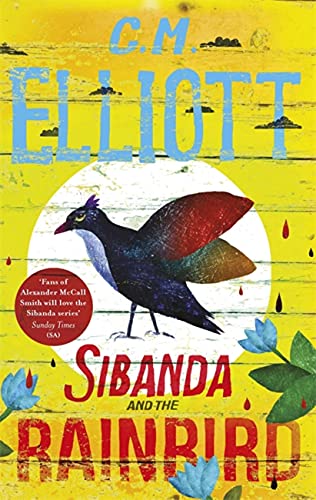
Book 1
A body near Thunduluka Lodge, vulture-marked and wrong from the start; tyre tracks, a knife marked B, and a flake of blue metallic paint.
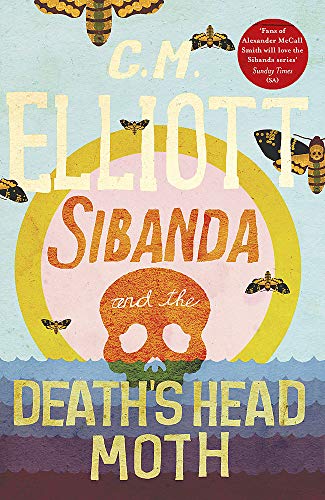
Book 2
One body burns at a lightning-struck tree; another dies by the Zambezi. Sibanda is left with fabric, a puncture wound, and a diary written in code.
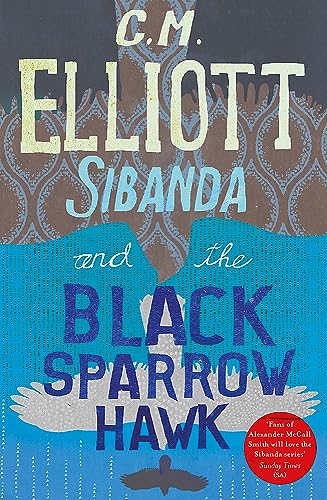
Book 3
A skinned body beside the railway line points Sibanda toward a killer using the train as a killing field.
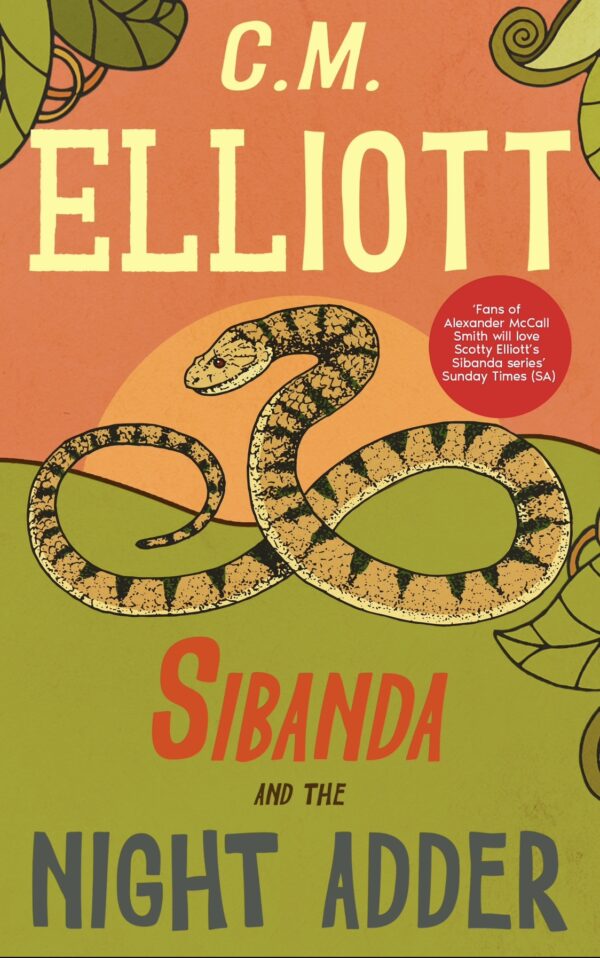
Book 4 / Latest Sibanda novel
Two murders in Gubu pull Sibanda into blood diamonds, official pursuit, wilderness survival, and the road north to Victoria Falls.
Reader fit
The Sibanda books sit naturally beside crime fiction where landscape, local custom, class, conservation, bureaucracy, and humour shape the investigation as much as the detective's method.